
The Land of the Langhe, Roero and Monferrato: UNESCO Landscapes of Piedmont
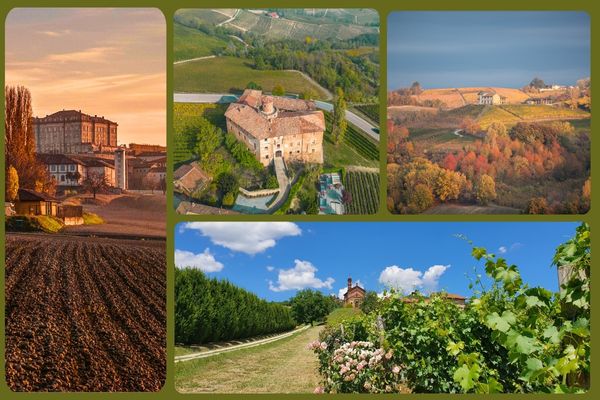
In the heart of Piedmont, a unique landscape stretches, shaped over centuries by both human hands and the power of nature: the land of the Langhe, Roero, and Monferrato.
A weave of rolling hills, vineyards, and villages that in 2014 was recognized as a UNESCO World Heritage Site under the title “Vineyard Landscapes of Piedmont”.
Here, every hill tells a story — one of wine, rural traditions, medieval castles, and a harmony between land and life that exists nowhere else.
Geological Origins: An Ancient Sea Turned into Hills
Few people know that millions of years ago, the Langhe lay beneath the sea.
Movements of the Earth’s crust and the retreat of the waters left behind layers of sand, clay, and marl — the perfect soil for grapevines.
In the Roero, the Tanaro River carved deep gorges over time — the famous Rocche — creating a wilder landscape with sandy cliffs and lush woods.
The Monferrato reveals even older traces: gentler hills, ancient river deposits, and varied soil that explains the extraordinary diversity of its wines.
To understand the geology of these lands is to understand their soul:
- The blue marl of the Langhe nourishes Nebbiolo, giving life to Barolo and Barbaresco.
- The sandy soils of the Roero enhance Arneis’s fragrance.
- The calcareous Earth of the Monferrato is home to Barbera and Grignolino.

3 Langhe towns
Landscape, Wine, and Truffle: the Heart of the Piedmont Langhe
The landscape of the Langhe is inseparable from its symbols: wine and the white truffle of Alba.
The scent of the vineyards during harvest and that of truffles in autumn tell the same story — a deep bond with the land.
It is a living landscape, where nature and human hands continue to work in harmony and mutual respect.
The Langhe to Explore: Villages, Hills, and Picture-Perfect Views
The Langhe are divided into the Lower Langhe, the land of wine, and the Upper Langhe, home to hazelnuts and sweeping panoramas.
In the Lower Langhe, you’ll find famous villages such as Barolo, La Morra, Monforte d’Alba, and Serralunga d’Alba — each crowned by its castle and surrounded by historic wine cellars.
In the Upper Langhe, the scenery changes: higher hills, beech woods, and horizons that stretch all the way to the sea.
Here, you can breathe in the most authentic spirit of the Langhe — a land of quiet paths, secluded farmhouses, and rural life that still endures.

The Roero: Landscapes of Sand and Cliffs
Separated from the Langhe by the Tanaro River, the Roero captivates visitors with its gullies, woods, and sandy cliffs.
The Rocche del Roero form a natural canyon more than thirty kilometers long, running through villages such as Pocapaglia, Monteu Roero, and Baldissero.
This area, less touristic yet wilder in spirit, is ideal for those who love nature and outdoor activities — trekking, e-biking, and tastings among orchards and vineyards.

Monferrato: Hills, Castles, and Authentic Flavors
The Monferrato stretches between Asti, Casale, and Acqui Terme. It’s a mosaic of rolling hills dotted with castles, vineyards, and medieval villages.
Its scenic roads link quiet towns, ancient watchtowers, and historic wineries.
Life here moves slowly, the cuisine is genuine, and wine is ever-present: Barbera, Ruchè, Grignolino, and Freisa express the generous soul of this land.

Discover the Langhe with SlowDays
Exploring this land means taking the time to live it honestly.
SlowDays tours were created for just that — to combine the joy of travel with the discovery of the landscape, through authentic experiences far from the crowds and close to local life.
Whether it’s a weekend among the vineyards, a Vespa ride, a trek through the Rocche, or a wine tasting in a cellar, the absolute luxury here is time itself.


