

What to see in the Roero: 6 itineraries recommended by locals
The Roero lies on the left bank of the Tanaro, the river that separates it from the Langhe. It is less famous than the hills of Barolo and Barbaresco, but its landscapes are remarkably varied: the Rocche, woodland, orchards, vineyards and quiet little villages. SlowDays is based in Corneliano d’Alba, in the Roero, so these are not itineraries compiled from afar, but places we know and visit ourselves.
This is not a ranking. These are six ideas to combine according to the time available, the season and what you enjoy doing.
Here are six ways to begin discovering the Roero:
Small Roero villages
Castellinaldo, a Roero village
Itinerary 1: From Vezza to Castellinaldo
VEZZA:
Mention Vezza and people immediately think of the Torion, an old tower at the top of Castellero hill. A lovely walk takes you there, rewarded by a beautiful view over the Roero hills.
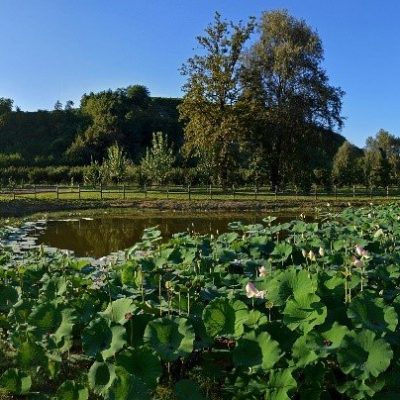
Another attraction in Vezza d’Alba is the small lake in the Valtesio hamlet, near the educational truffle ground. In summer it becomes covered in lotus flowers, a wonderful sight for nature lovers. The nearby park is perfect for a picnic, family time and a pleasant walk.
CASTAGNITO:
Its castle was one of the area’s most important during the Middle Ages, although no trace remains today. For a fine panorama, climb to the top of the hill and its viewpoint over the Barbaresco hills. The plain, from which you can see Barbaresco, Neive and the Langhe, is irrigated by canals and planted with cereals, vegetables and fruit trees, while vineyards pattern the slopes.
CASTELLINALDO:
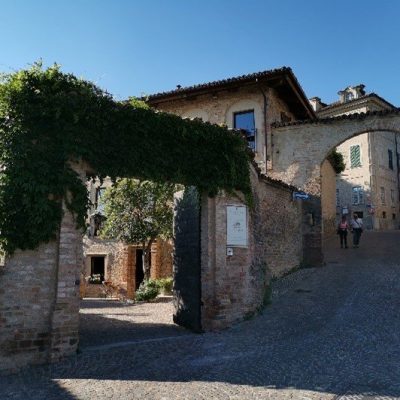
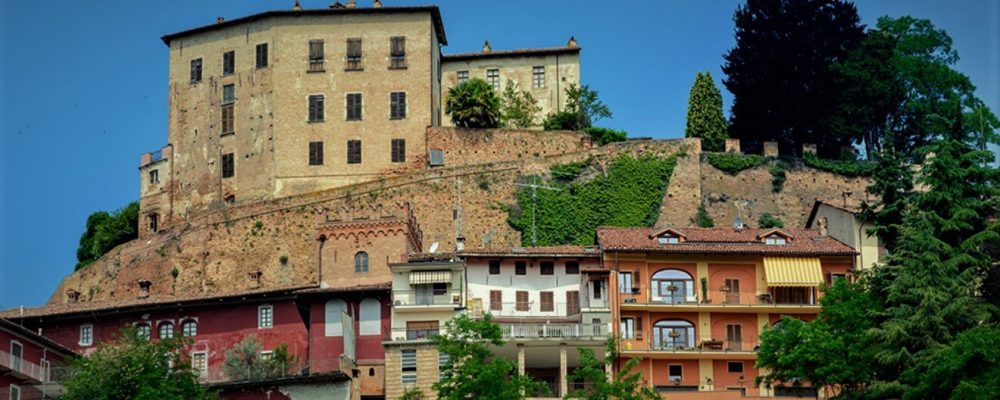
A small village whose old quarter clings to the hillside—an excellent walk to stretch your legs. See the fortifications with their high walls and the twelfth-century Damiano Castle. You will also find a couple of excellent wineries, some good restaurants and a hidden chocolate shop!
From the Roero to the nearby hills: villages and delicious stops
The Tanaro separates the Roero from the Langhe, but distances are short. A stay can therefore easily combine Roero villages with views across the Barbaresco hills, without trying to see everything in a single day.
Roero itinerary 2: From Neive to Monteu Roero, with delicious stops
NEIVE:
Neive is listed among Italy’s most beautiful villages and holds the Italian Touring Club’s Orange Flag. Its historic centre retains a medieval layout, and narrow lanes climb towards the Clock Tower, recently restored and now open to visitors. In the village centre, the Bottega dei Quattro Vini stocks practically every label produced in the surrounding area.
PRIOCCA:
I recommend Priocca because it is a small, peaceful village where you can stop for a walk, visit the tenth-century Pieve di San Vittore and then have lunch at Il Centro restaurant. If you are lucky, it might even be a day when their fritto misto is on the menu!
MONTEU ROERO:
This small village is known for its “Rocche”, dramatic geological formations created by the ancient erosion of the hills and crossed by the Roero hiking network. We also recommend the Castagna Granda trail, where you can see a monumental chestnut tree more than 400 years old and ten metres in circumference. If you are travelling in a group, try joining hands around it!
Exploring the Roero on foot: itineraries 3 and 4
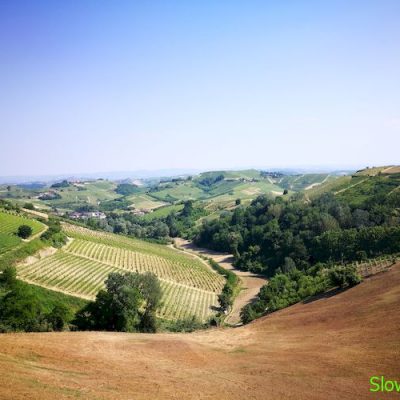
One of the Roero’s most beautiful walks is undoubtedly the Grape Trail, which passes through many of its villages. The Grape Trail is highly scenic, winding across gentle hills among orchards and vineyards.
The route can also form part of your e-bike tour.
A cycling tour through the Langhe, Roero and Monferrato is a truly unique experience.
Did you know that fossils can be found in the Rocche del Roero?
The Fossil Trail takes its name from the many discoveries made along the route. Its variety also makes it fascinating for children: it passes through woods and alongside orchards, greenhouses and panoramic vineyards.
Walks in the Roero are wonderfully diverse, alternating vineyards, Rocche and woodland. The landscape suits both easy outings and more demanding hikes, so everyone can find the ideal way to enjoy a splendid day.
Now we come to one of the Roero’s best-loved subjects: food and wine. Like every region, the Roero has its own outstanding products, traditional recipes and pairings with local wines. SlowDays organises several food tours devoted to the flavours of the Langhe and Roero.
Here are some local specialities that inspire two delicious itineraries.
5. The Madernassa pear itinerary
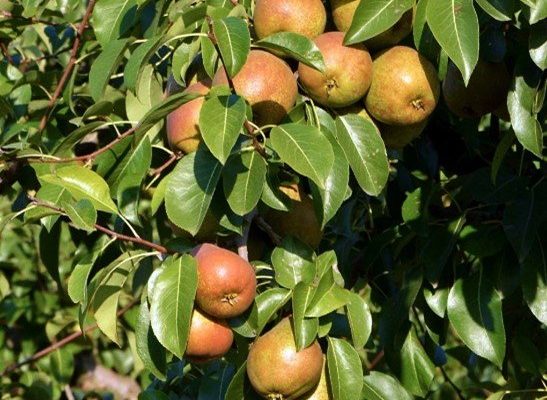
One of the Roero’s finest products is the Madernassa pear. Local restaurants serve it baked with wine, cloves and spices, usually as a dessert, but it also appears in risotto or as cognà alongside cheese.
The Madernassa variety originated in the Roero and has traditionally been used for cooking. It is a small pear with russeted skin, firm flesh, a fragrant aroma and a pleasantly crisp texture. Over time, it has become a star ingredient of Roero cuisine.
Several events during the year celebrate recipes made with this fruit. We can even tell you where to find a sweet wine made from these pears!
Itinerary 6: Arneis and the Roero
The Roero’s sandy soils give its wines fresh, fragrant notes, as in Roero Arneis. Arneis is one of the area’s best-known still white wines and has enjoyed considerable success since the 1970s. It can be made as a still wine, a sparkling wine or a sweet passito, always with fresh and distinctive aromas.
Wine and local produce are among the finest ways to understand a region.
Discover them on a wine tour. What to see in the Roero cannot be separated from what to taste!
Not only Arneis: there is also Roero
Nebbiolo followed by the name of its place of production identifies a wine made from this celebrated grape. In the Roero, Nebbiolo becomes Roero. Roero DOCG is made predominantly from Nebbiolo grapes. Compared with Piedmont’s other great red wines, it retains its own identity, shaped by the area’s sandy soils and each producer’s choices.
The Roero is rugged land. It can be stubborn and demanding to work, but it is also a land that inspires deep affection—take it from someone who has always lived here.
I look forward to showing you the many trails I have explored, introducing you to these intriguing wines and sweetening your palate with Madernassa pears cooked in wine.
S1 Trail: the Great Roero Trail
One of the area’s most important routes is the Great Roero Trail, known as S1.
Here is the diary of a participant in this long walk who is also closely connected with SlowDays.
What are 42 kilometres? How many steps does it take to cover them? Apps count them for us now, but the figures alone mean very little. You could walk 42 kilometres around a track and record exactly the same distance.
Instead, imagine two sunny Sundays. Imagine a group of around thirty people each week, a tour operator organising everything and a knowledgeable guide leading the way. On the first Sunday, one step after another takes you from Bra and Madonna dei Fiori through Pocapaglia, Saliceto, Sommariva Perno, Baldissero and Montaldo Roero to Monteu Roero. On the second Sunday, you resume from Monteu Roero, pass through Montà and finish in Cisterna d’Asti.
Picture yourself among woods and trails with breathtaking views, the yellow tones of eroded earth and the brilliant green of plants in full spring growth. That is when you understand what it means to savour the here and now. Every step gives you a slow, steady rhythm. Thoughts become calm, and smiles remain on everyone’s face.
These lands are truly magical. As soon as you leave the villages and small towns, the Roero plunges you into a landscape shaped by natural upheavals that must once have been apocalyptic. Ancient traces of the sea appear in long sandy trails. Erosion has carved deep ravines where nature forces its way through, with trees clinging to impossible positions. You feel small and respectful before so much beauty.
Halfway through both stages comes a welcome rest: a picnic in the shade and a calm that spreads through every muscle, tempting you to stay. Then the trail calls and you set off again. By now your legs seem to move on their own and everything becomes easy. It feels as though you have always walked and that this is your true nature. You reconnect with your body and with the earth beneath your feet.
At the end of the route in Cisterna d’Asti, a well-earned toast awaits us, with a few glasses of excellent white Arneis. What a pleasure!
This is nothing compared with dedicated long-distance walkers, who cover kilometre after kilometre every day, whether from necessity or pure enjoyment. Yet I invite everyone to experience a well-organised and expertly guided Sunday walk, a first step towards this ancient way of enjoying nature. Gradually, you can attempt longer stages in good company and, with time and experience, dream of greater adventures such as the Via Francigena or the Camino de Santiago. After all, you simply take one step after another.
S1 Great Roero Trail: the beginning of a love of walking.
If you would prefer an experience already organised for you, visit our trekking in the Langhe page. You will find a day walk in the Barolo hills and a two- or three-day walking journey that also includes the Roero.
Comments