

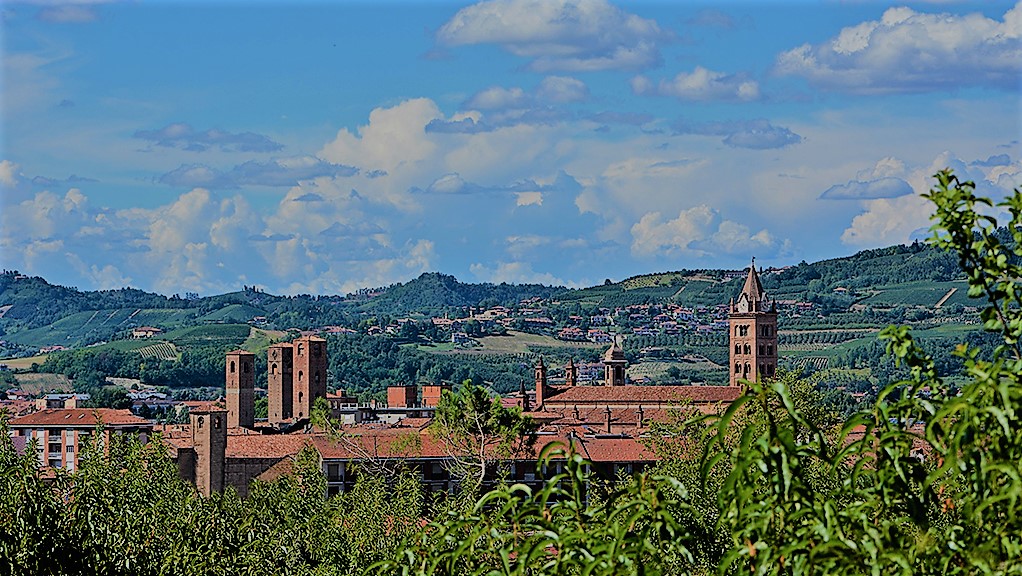
Alba is located in Piedmont, in the heart of the Langhe, and is one of the best places to start discovering the Barolo and Barbaresco areas.
If you're wondering what to see in Alba, here's a practical guide to planning a day in the city: the historic center, towers, churches, markets, places related to Beppe Fenoglio, wine bars, restaurants, and, of course, the Truffle Fair.
Alba is easy to explore on foot and pairs well with a tasting, a food tour, or a day in the surrounding hills.
Alba: every step a stumble into history
Imagine walking through the streets of Alba, where history reveals itself at every corner. The city has ancient and deep roots, dating back to a village along the Tanaro River. In Roman times, Alba became a thriving settlement, leaving behind traces of its history from that era.
The Ancient Walls and the Medieval Skyline
If you love historical landmarks, Alba’s ring road follows the line of the ancient walls, where you’ll also see its Towers. Some are still visible as you stroll through the old town. And when you look up, you’ll discover the skyline of a medieval city, imagining the Hundred Towers so often described in the past.
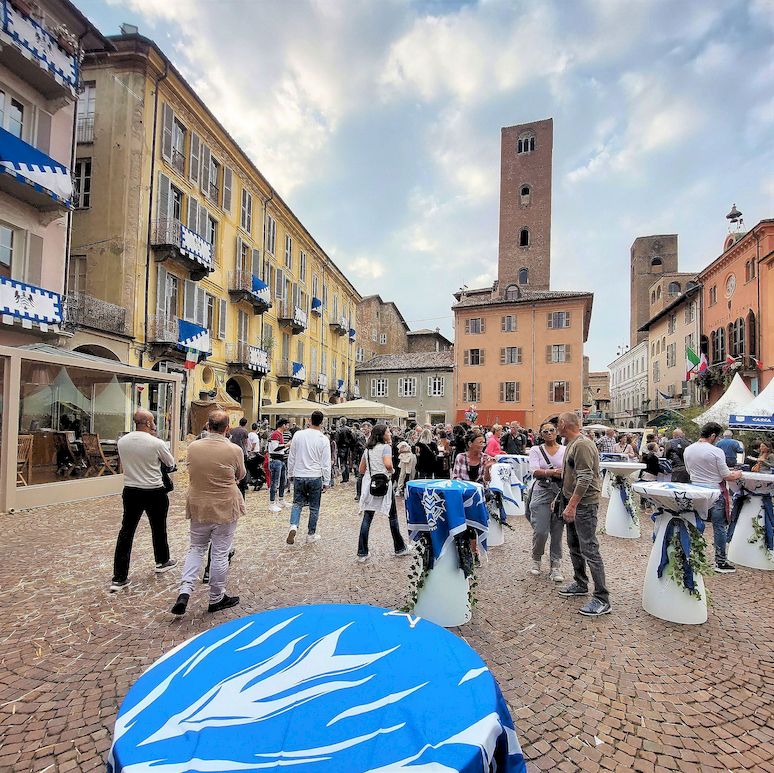
Economy & Enterprise
Alba stands out for its high-quality agriculture, and in recent years it has also built a diversified business community. Global companies, such as Ferrero S.p.A. and the Miroglio Group, have deep roots in the city, helping to sustain its economic and social stability.
A City Known Around the World
Alba is known and appreciated worldwide for its leading industries and specialized know-how. Yet its role as the food-and-wine capital of the Langhe truly takes center stage. Today, Alba is a key destination for both travelers and entrepreneurs in the Piedmont region.
Events and Attractions in Alba
Among the monuments worth visiting, a special mention goes to the beautiful deconsecrated Church of San Domenico in Via Calissano. Today, it hosts art exhibitions and world-renowned musicians who choose this city for their performances (Alba International Piano Festival, Sunday Aperitif Concerts, Concerts during the Truffle Fair, and many more events).
Also fascinating is Underground Alba, as the city is the result of many layers of history: the medieval town built on Roman ruins, which was later incorporated into the modern city. Excavations can be visited and reveal the story of the last two thousand years, when Alba was known as the city of the Hundred Towers. Many of the artifacts found just a few feet beneath streets and sidewalks are now displayed in the rich collection of the F. Eusebio Museum.
In Alba, they say that if you dig a hole to plant a tree, you’ll probably find a piece of history!
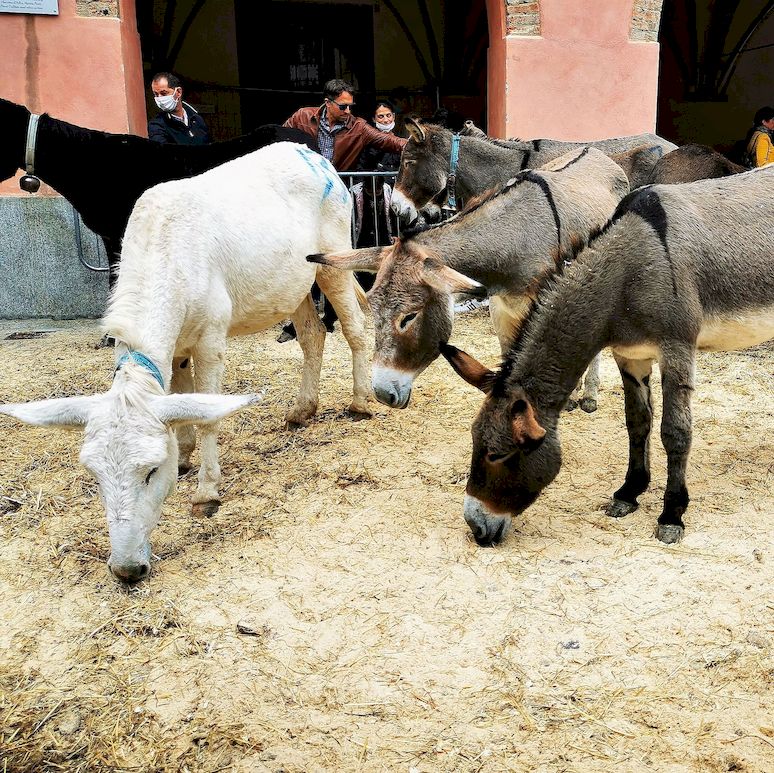
Among Alba’s most famous events is, of course, the Truffle Fair, which always opens with the Palio degli Asini: a donkey race born from the historic rivalry between Asti and Alba. After Asti’s prestigious horse race, Alba mockingly staged its own with donkeys. Today it’s a must-see highlight of autumn in Alba!
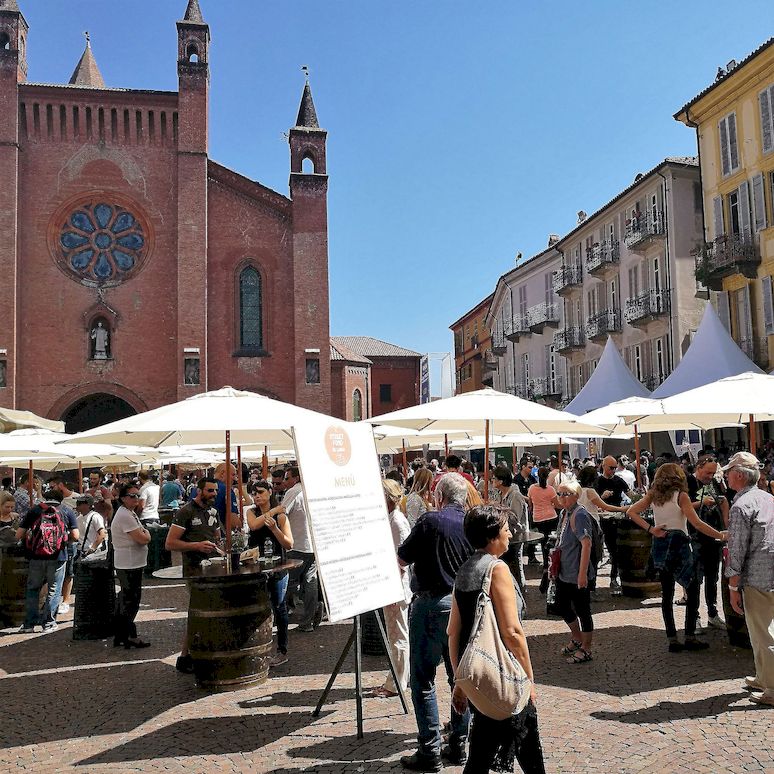
Alba by Day
- The Three Towers — Bonino, Astesiano, Sineo: the last witnesses of the “city of a hundred towers.” You’ll spot them when you look up in the old town.
- Cathedral of San Lorenzo — located in Piazza Risorgimento (the Duomo) — is an impressive Gothic church with a symbolic façade and interiors worth exploring at a leisurely pace.
- Beppe Fenoglio’s House — A key place to understand the writer and the Resistance he described in his books; features original photos and documents.
- Via Maestra (Via Vittorio Emanuele II) — The shopping street: boutiques, cafés, arcades, and windows to browse. A slow rhythm for curious eyes.
- Piazza Savona (Piazza Michele Ferrero) — The Clock Tower is the classic meeting point for locals, surrounded by aperitifs and evening strolls.
Here’s a fun fact for first-time visitors to Piazza del Duomo: the symbols on the façade, in honor of the evangelists, also form the name “Alba” with their initials. Look up and see if you can spot them!
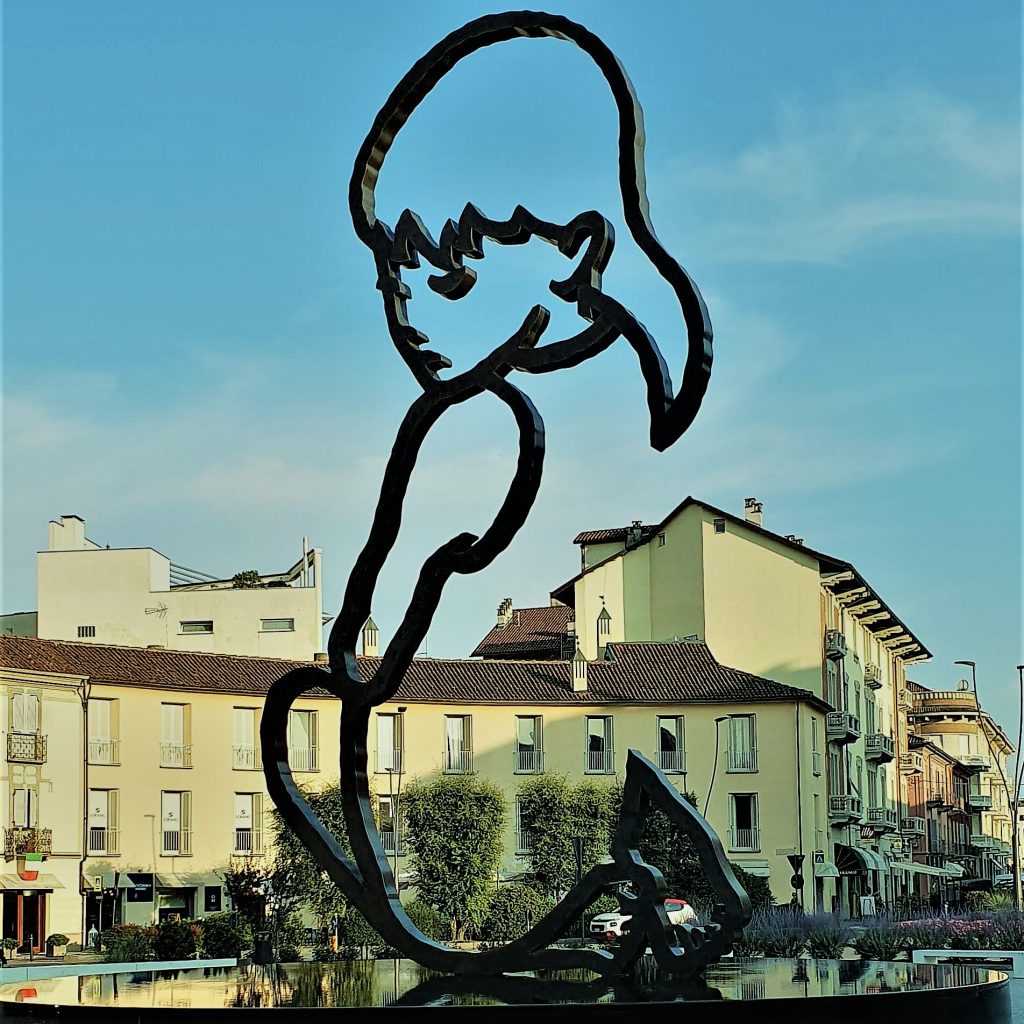
Alba by Night
- Evening Stroll — The old town lights up at night: perfect after dinner for wandering through alleys and squares.
- Summer — Evening walks, small events, and lively outdoor cafés fill the main streets and Piazza Savona.
- Autumn–Winter — Truffle Fair on weekends and Christmas lights: the city glows with the scent of tradition.
- Aperitifs & Wine Glasses — Wine bars and enotecas near Piazza Michele Ferrero are perfect for a true “Alba-style” toast.
- Music & Nightlife — For longer nights out: check “Clubs in Alba and nearby“. (No English version available)
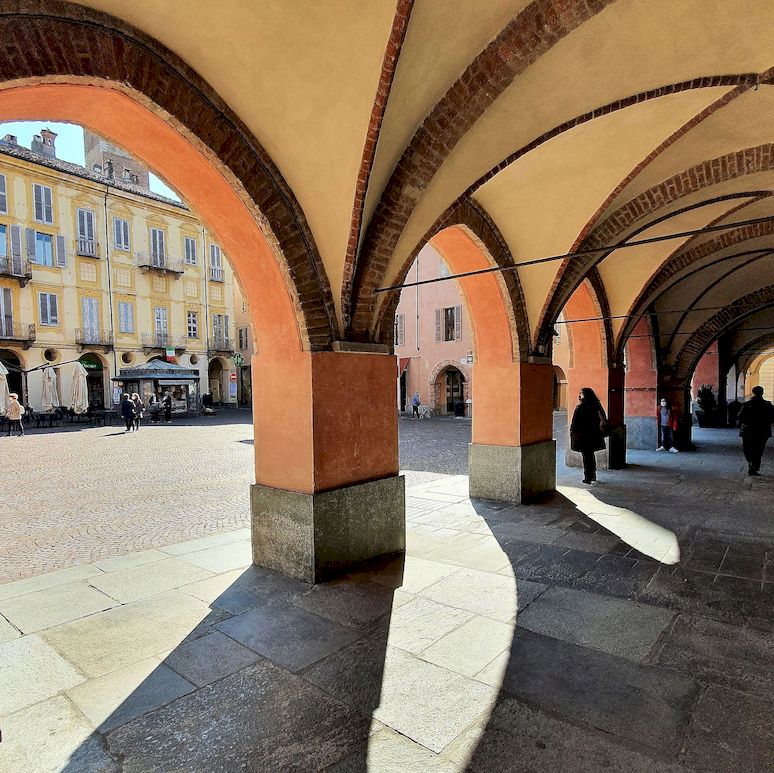
When to Go
- Spring: mild temperatures, green hills. Asparagus, strawberries, cherries, peaches—fresh flavors on the table. Don’t miss Vinum!
- Autumn: vineyard colors and the Truffle Fair. Scents and a festive atmosphere fill the city.
- Summer: best in the morning and evening; the town center comes alive at night. Pool by day and aperitifs by evening!
- Winter: clear days with the Alps in the background. Comfort food and a welcoming atmosphere.
What to Eat in Alba (and Where)
- Piedmontese Starters — Russian salad, vitello tonnato, carne all’albese. Often the wealthiest part of the meal: seasonal vegetables, Jerusalem artichokes, cardoons, eggs, anchovies.
- “Truffle-Ready” First Courses — Tajarin pasta and fried eggs are the perfect classics for a generous shaving of White Truffle (in season).
- Winter Seconds — Bollito misto with its traditional trolley, or Barolo-braised beef: pure comfort food on cold evenings.
Where to Eat in Alba (Essential Picks)
- Punto Amico — Self-service: simple but well-prepared cuisine, perfect for a quick and honest lunch.
- Osteria dei Sognatori — A true trattoria with an authentic Piedmontese menu and a convivial atmosphere.
- Trattoria del Bollito — The kingdom of the boiled meat trolley: cuts, sauces, and the ritual of tradition.
- La Libera — My “home” in town: Langa classics served with elegance and a warm atmosphere.
- Piazza Duomo ★★★ — Enrico Crippa’s Michelin-starred experience. Downstairs, you’ll find La Piola: same talent, more informal spirit.
- Wine Bars in Piazza Michele Ferrero — Sarotto and 100 Vini: outdoor glasses and excellent wine lists for a truly “Alba-style” aperitif.
After Lunch, Towards Evening (Before Aperitivo!)
- Via Elvio Pertinace — The Milton bookstore and galleries: an “intellectual corner” to browse books and art.
Want to turn tasting into a guided experience? Try our food tour!
I'll take you on the Alba Food Tour
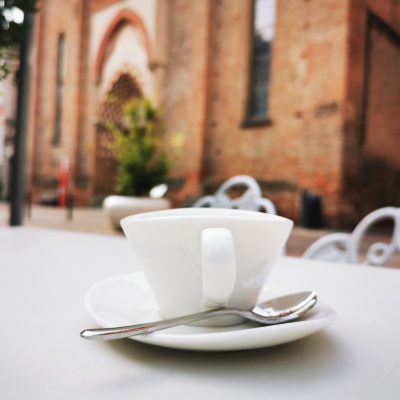
Alba Langhe: Local Curiosities
And finally, a few fun facts: on New Year’s Eve, it’s tradition to celebrate in Piazza del Duomo with Asti Spumante and bread with Nutella. Autumn is the busiest season for tourism, but today you’ll find visitors year-round—strolling slowly, sitting at outdoor tables, tasting local flavors, and enjoying the city at a gentle pace!
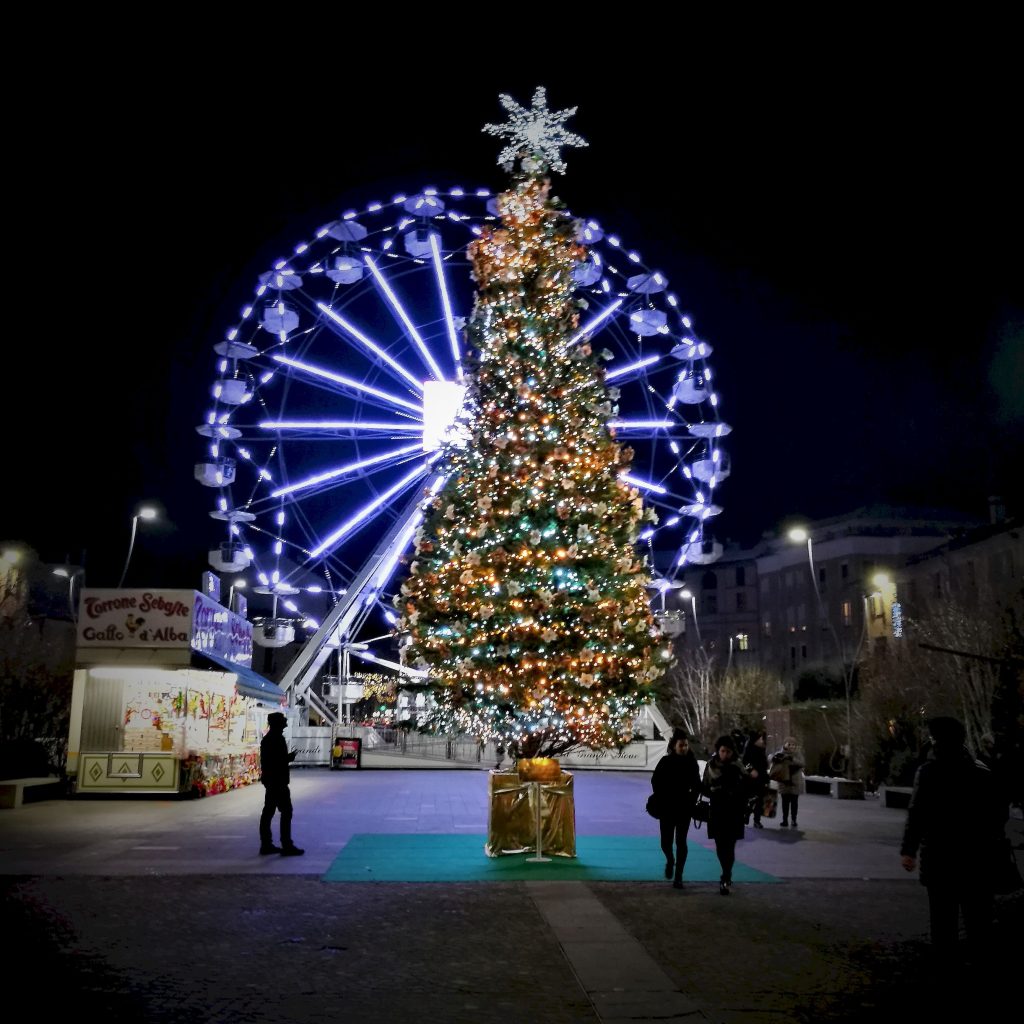
Alba at a Glance
- Where: Piedmont, 60 km south of Turin.
- UNESCO: vineyard landscapes of Langhe–Roero–Monferrato.
- Wines: nestled between the Barbaresco and Barolo areas.
- How to Get There: hourly train from Turin; the station is just a few minutes from the center.
- Atmosphere: wine bars and trattorias in the old town; lively Saturday market.
Ready to Discover Alba, the Capital of the Langhe?
Tell us what you love: together we’ll plan the right stops and timing. Combine one or more SlowDays experiences or share your idea with a request, and we’ll guide you to the best.
Some FAQ's
Half a day is enough for the historic center (Duomo, Via Maestra, towers, San Domenico). Add 1-2 hours for the Eusebius Museum or Underground Dawn. But keep in mind that there are pastry shops, wine shops, and trattorias!
Spring and early autumn. In autumn, there is the Vinum and Truffle Fair; in summer, the mornings and evenings are better.
Around the ZTL, you find paid parking; more free options outside. On weekends and during events, it is best to arrive early. On the map, you will find free parking (yellow) and paid parking (red)
Piedmontese appetizers (tuna veal, Alba-style meat), tajarin, plin, seasonal truffles, stewed meats, “Langa” desserts. To try more places in a short time, take a guided food tour.
Yes. The station is just a few minutes’ walk from the city center, with frequent connections to Turin.
A brief history spot
Alba and the significant transformations
Alba is a city that has seen many transformations over the centuries. It became a Jacobean Republic when Napoleon arrived, and in the 19th century, it was an essential center of markets and trade, transformed with the ideas of architect Giorgio Busca.
The Resistance and the Gold Medal for Military Valor.
The city of Alba has a significant history in the context of World War II Resistance. In 1943, groups of partisans united and formed a division of the Langhe-Roero Garibaldi Brigades to fight against the Nazi and Fascist occupation in Italy.
From 1943 until the end of the war, partisan actions were directed at disrupting communications of German forces, damaging military targets, and networking with other Brigades that had formed in the surrounding regions.
In 1944, German troops launched an offensive against the partisans, which led to the 23-day battle of the town of Resistanceresistance was brutal and bloody, and Fenoglio wrote about it with disillusionment, recalling the end of what was almost an impossible dream!
Alba was awarded the Gold Medal for Military Valor for its contribution to the fight against Nazi occupation during World War II. The award was given in recognition of the heroism and determination shown by the partisans of Al, as well as their ability to resist German forces despite their numerical and mechanized superiority.
The story of which days was told by Beppe Fenoglio, in his book, The Twenty-Three Days of the City of Alba, which begins thus:
“Alba was taken in two thousand on October 10 and lost in two hundred on November 2 of the year 1944.”
Others have written about those days and the Second World War, but Alba is particularly linked and intertwined with the life of Beppe Fenoglio, who recounted it several times
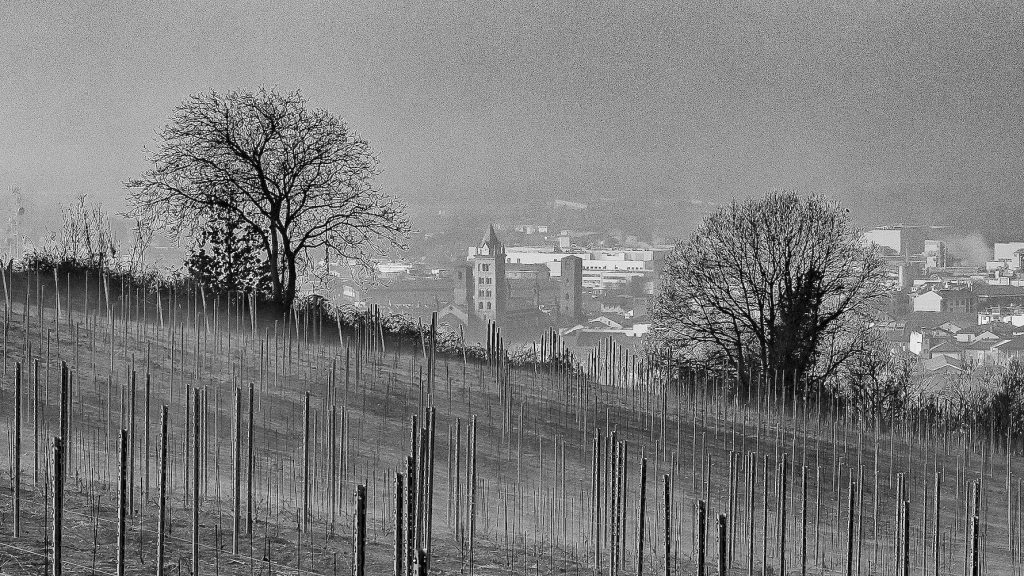
Alba Today: A Living City
State Higher Education Institute “Umberto I”
The Alba School of Oenology is a vocational training institute teaching enology and viticulture. The school was founded in January 1881 as part of the Kingdom of Italy’s agricultural reform project to provide vocational training for winegrowers in the Langhe.
It was desired by then Minister of Education Michele Coppino, a native of Alba. Its main objective was to understand and combat vine diseases, and to enable farmers engaged in viticulture to advance in the techniques and economics of their production and sale of the product.
The Alba School of Enology is regarded as one of the most prestigious enology schools in Italy and Europe. It offers diploma courses in enology, specialized courses in viticulture, and continuing education courses for wine professionals.
It is an integral part of the city. It has taken Alba to the world through the knowledge of the oenologists who have graduated over the school’s many years of history. (My grandfather was an oenologist and a graduate of Alba.)
Its importance is recognized in Italy and abroad, and many wine professionals have been trained at this school. Its geographical location further enhances its reputation, as the Langhe is famous for its excellent wines.
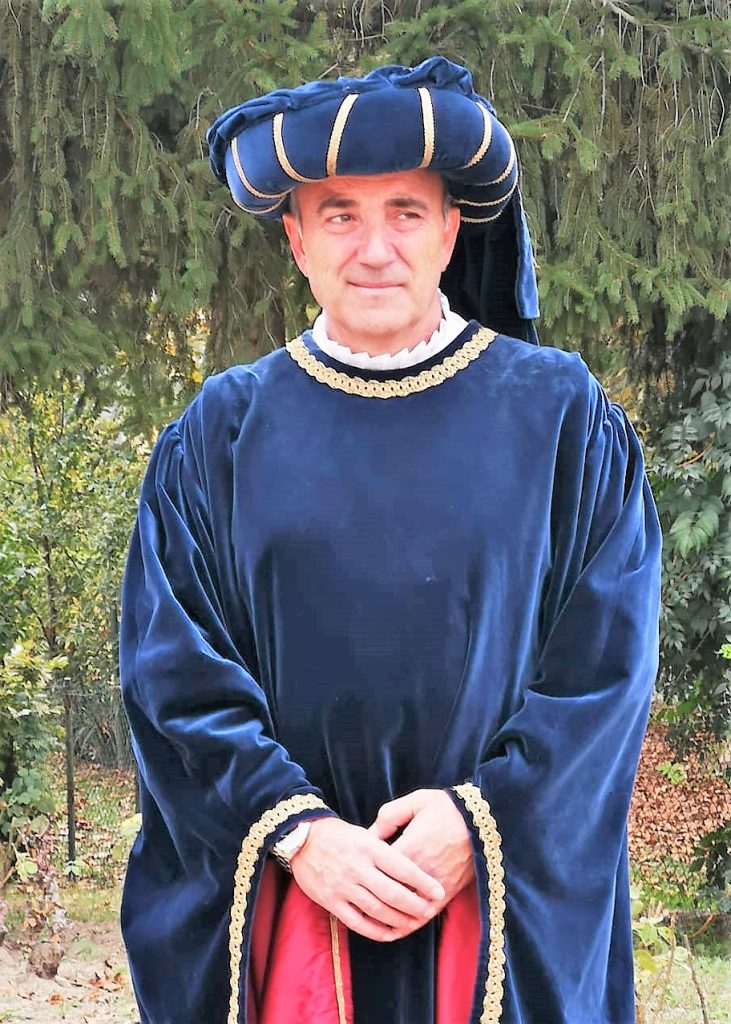
The Podesta of Alba invites you to visit it!
Alba is located in Piedmont, in the heart of the Langhe, and is one of the best places to start discovering the Barolo and Barbaresco regions.
If you’re wondering what to see in Alba, here’s a practical guide to organizing a day in the city: the historic center, towers, churches, markets, places associated with Beppe Fenoglio, wine bars, restaurants, and, of course, the Truffle Fair.
Alba is easy to explore on foot and pairs well with a tasting, a food tour, or a day in the surrounding hills.
Comments